Society’s Structures Are Failing Us
Systems exist to support human needs, yet daily life is often trapped in gaps.
People remain homeless, hungry, and isolated; healthcare is overwhelmed.
Bureaucracy slows help, resources are stretched, and digital access is unequal.
Conflicts displace millions, arms spending rises, and economic inequality deepens.
Why do good intentions fail to reach those who need them most?
Homelessness
318 million people are homeless; 2.8 billion lack adequate housing.
“Why do basic human needs like shelter remain unmet?”
Hunger & Food Insecurity
733 million people faced hunger in 2023; 2.33 billion experience moderate/severe food insecurity.
“Why does food insecurity persist despite enough food being produced?”
Healthcare Overload
Hospitals crowded, staff overwhelmed; access delayed. “Why do essential health services remain inaccessible to many?”
Social Isolation
Millions feel disconnected despite available community services.
“Why are people isolated in an interconnected world?”
Conflict & Arms Expenditure
Global military spending ~$2.7 trillion in 2024, double the late 1990s.
“Why keep increasing arms spending while human needs go unmet?”
Economic Inequality
Wealth gaps widen globally; basic services remain unequal.
“Why is fairness so elusive worldwide?”
Forced Displacement / Refugees
123 million displaced due to conflict by 2024.
“Why do conflicts uproot millions despite global awareness?”
Overconsumption of Natural ResourcesSocial Isolation
Humanity consumes more than the planet can sustainably provide.
“Why prioritize consumption over sustainable life support?”
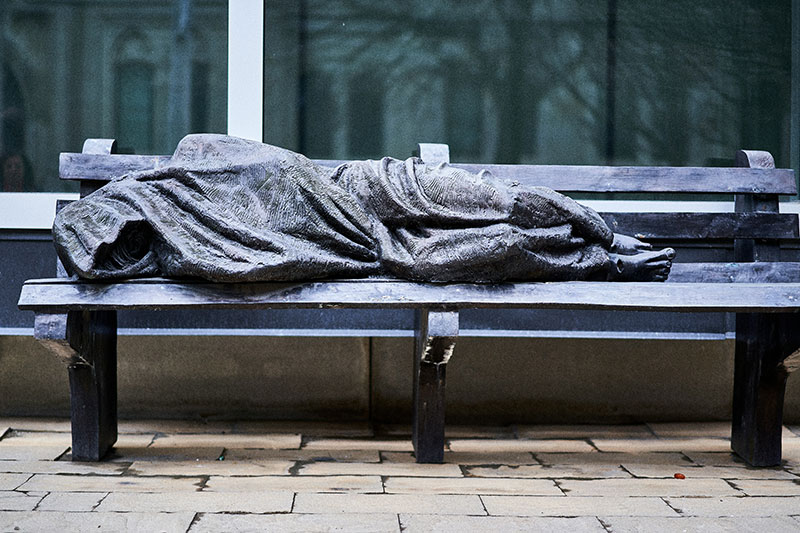
🏠 Homelessness
Fact: Around 318 million people worldwide are homeless, and 2.8 billion lack adequate housing, meaning they do not have stable or sufficient shelter, basic water or sanitation.
The United Nations Office at Geneva
Question: Why do basic human needs like safe shelter remain unmet for so many?

Human Loneliness
Regional hub for buying/selling/leasing, construction, renovation, design. Maintenance, project management, and financed property services. Innovative real estate platform that gives one agent per area exclusive rights — no competitors, maximum visibility, and a professional online presence that works for you.
🌱 Overconsumption of Resources
Fact: Humanity’s demand for natural resources far exceeds sustainable levels, impacting ecosystems and basic living conditions. (Supported by global sustainability and resource use data.)
Question: Why do global systems prioritize consumption over sustainable life support?
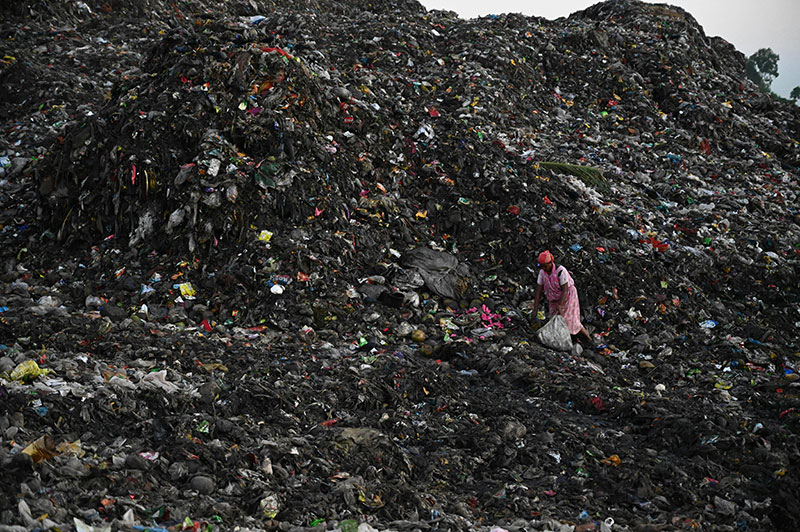
👤 Social Isolation
Fact: A significant number of people worldwide report social isolation and disconnected communities, even in areas with extensive services. (Global social well‑being trends reflect widespread feelings of loneliness.)
Question: Why are people disconnected in an increasingly interconnected world?
🍽️ Hunger & Food Insecurity

Fact: Around 733 million people faced hunger in 2023, and 2.33 billion people experience moderate or severe food insecurity — they lack consistent access to nutritious food.
World Food Programme
Question: Why does food insecurity persist when the world produces enough food for everyone?
📱 Digital Divide
Fact: Access to information technology and communication is uneven, leaving billions without equitable access to learning, jobs, and services. (Recorded in multiple global tech access reports.)
Question: Why does opportunity remain unequal in the digital age?
🏥 Healthcare Overload
Fact: Many health systems globally are overwhelmed and under‑resourced, contributing to delays in basic care and strain on frontline staff. (Based on global context from health system reports; common in multi‑agency analysis.)
Question: Why do essential health services remain inaccessible to many despite medical progress?
🧠 Institutional vs. Home Care – Costs & Outcomes

Fact: Humanity’s demand for natural resources far exceeds sustainable levels, impacting ecosystems and basic living conditions. (Supported by global sustainability and resource use data.)
Question: Why do global systems prioritize consumption over sustainable life support?
🏠 Home‑based care often reduces overall costs
Fact:
Studies show that home‑based and community care services (HCBS) are generally associated with better health outcomes and lower costs than institutional long‑term care for many individuals. In one Korean study, HCBS was linked with lower mortality, less decline in daily functioning, and roughly $6242 less in formal care costs per person in one year compared to institutional care. PubMed
Question:
Why might supporting people to remain at home be both economically and personally beneficial compared to long‑term care facilities?
💸 Savings in broader healthcare
Fact:
Other analyses of home health care have found that patients receiving home‑based care services experience significant reductions in total medical costs — for example, saving an average of over $15,000 per person per year thanks to fewer hospital admissions and better management outside institutions. ultimatecareny.com
Question:
Why are models of care that reduce hospital use and institutional stays associated with lower overall healthcare spending?
📊 Costs can still be large
Fact:
In OECD countries, home care can exceed an older individual’s median income by several times, and institutional care is also very costly relative to income. For example, in Finland the estimated cost of home care is more than 4× median income for older adults, illustrating how expensive long‑term support can be for individuals and systems alike. OECD
Question:
How can societies make long‑term care more sustainable without sacrificing quality of life for older or chronically ill people?
🩹 Preventive care reduces future costs
Fact:
Research on preventive interventions (e.g., encouraging medication adherence and early preventive care) suggests that strong preventive care can reduce hospitalization risk by around 37–38 %, leading to major potential savings in healthcare costs. arXiv
Question:
Why aren’t systems investing more in preventive care when it could keep people healthier and reduce long‑term costs?
💡 Enabling Home Living as Prevention
Supporting people to live at home with community services — and strengthening preventive health and wellness support — helps delay or avoid the need for institutional care.
This not only often reduces total costs but also aligns with personal preferences to remain in familiar environments and fosters ongoing independence.
Question:
What shifts would be required to prioritize prevention and home support as core pillars of societal well‑being systems?
🕊️ Global & Challenging Topics
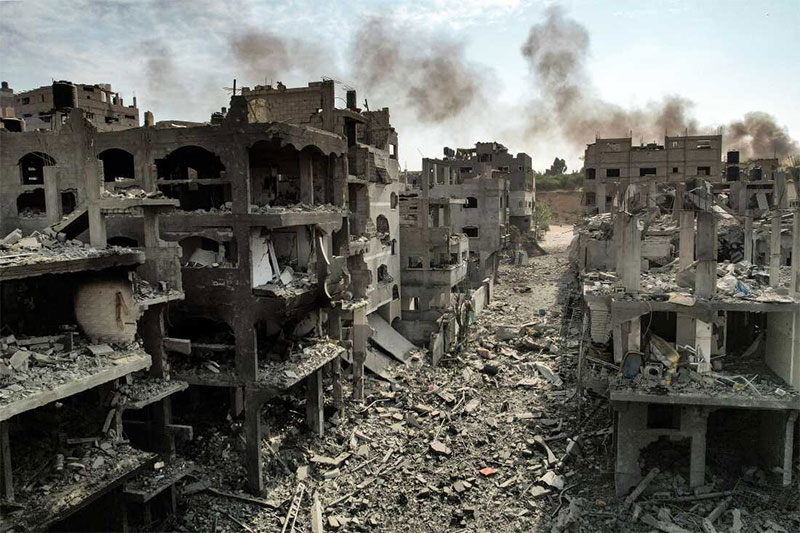
Fact: At the end of 2024, around 123 million people were forcibly displaced due to war, conflict, and violence — including refugees, internally displaced people, and asylum seekers. UNHCR+1
Question: Why do conflicts continue to uproot lives at such large scales?
💰 Global Military Spending – Then & Now
📌 Global Total Spending
Fact (2024):
World military expenditure reached about $2.7 trillion in 2024, the highest level on record. This marked the steepest annual increase since at least the end of the Cold War and the 10th consecutive year of rising spending globally. SIPRI+1
Fact (1990s–2000s context):
In the late 1990s, world military spending was around $1.2 trillion and stayed well below today’s total through the 2000s. Since then it has more than doubled, from roughly $1.2 trillion in the late 1990s to about $2.7 trillion in 2024. Our World in Data
Question:
Why does global military spending continue to grow so dramatically even in decades without a world war?
📊 Trends Over Time
Military spending fell after the Cold War ended in 1989 but then steadily rose again in the 2000s and 2010s. Our World in Data
From 2015 to 2024, global military expenditure increased by about 37 %, with year‑by‑year rises among all major regions of the world. SIPRI
Question:
What does it mean for societies when spending on arms and defense keeps increasing year after year, without a global war?
🏛️ Examples of Regional Drivers
Europe’s military spending climbed significantly in 2024, partly due to the War in Ukraine, rising above levels last seen at the end of the Cold War. Statista
The United States accounted for a large share, with nearly $1 trillion of the world total in 2024, followed by China, Russia, Germany and India. SIPRI
Question:
Why do national priorities continue to tilt toward defense spending even when social needs like health and education call for funding?
🧠 Share of Economy & Government Budgets
Military spending fell after the Cold War ended in 1989 but then steadily rose again in the 2000s and 2010s. Our World in Data
From 2015 to 2024, global military expenditure increased by about 37 %, with year‑by‑year rises among all major regions of the world. SIPRI
Question:
What does it mean for societies when spending on arms and defense keeps increasing year after year, without a global war?
🧠 Share of Economy & Government Budgets
Fact:
In 2024, global military spending was about 2.5 % of total global GDP — meaning of all the economic activity in the world that year, about one‑fortieth was spent on military purposes. SIPRI
Question:
Why is a significant portion of world economic output still devoted to military expenditure, even when pressing human needs remain unmet?
🧾 Optional Visual / Chart Idea
You could present an embedded timeline chart showing global military spending from the 1990s → 2024, illustrating the near doubling from ~$1.2 trillion to ~$2.7 trillion — a striking visual trend. Data for such a chart is widely available (e.g., SIPRI / Our World in Data) and fits well into a “Today & Then” comparison.
Our foundation rests on three non-negotiables:
1. Ethical grounding– not as declarations, but as clear boundaries
2. Practical execution– free from ideology and abstraction
3. Universal human understanding– independent of culture, religion, or markets
> We do not aim to save people.
> We provide a structure in which individuals can restore themselves.
> Ethical action at its highest level: no coercion, no persuasion, no promises—only clarity, boundaries, and an honest invitation to grow.
* No beliefs, trends, or narratives
* Action guided by limits, responsibility, and reality
* Ethics enforced through boundaries
* Human needs remain universal
* No force, no persuasion, no false hope
* Only “structure, clarity, and a truthful call to growth”
Adepti – The Human Whole
The human being is a whole; nothing can be removed without consequence. Body, mind, and inner life are interconnected. Neglect one, and the others respond.
> The body is the vessel, not the goal.
> The mind interprets, it does not rule.
> The inner dimension enables growth, not belief.
Sustainable well-being comes from aligning “Body, Mind, and Spirit” in daily practice—not as ideas, but as lived reality.